


Education Loan Guide For Indian Students – Banks, Process, and Tips

Summary Education loans finance students for higher education without putting direct pressure on their families. Under Section 129, formerly known as Section 80E, borrowers can
How to Get a Personal Loan with a Low CIBIL Score?

Summary An applicant can apply for a smaller amount, add a co-applicant, or apply through non-banking financial institutions for a personal loan despite having a
Home Loan vs Rent: What Makes More Financial Sense in India 2026?

When deciding between taking a home loan and renting, neither option is inherently better as the right answer depends on your personal circumstances. A home
How to Start SIP investment with Zero Knowledge – Step-by-Step for Beginners

In 1990, a company’s product sat in every Indian household — school tiffin boxes, chai-time plates, railway pantry cars. Completely ordinary. Nobody thought twice about
ELSS vs PPF vs NPS – Best Tax-Saving Investment Compared
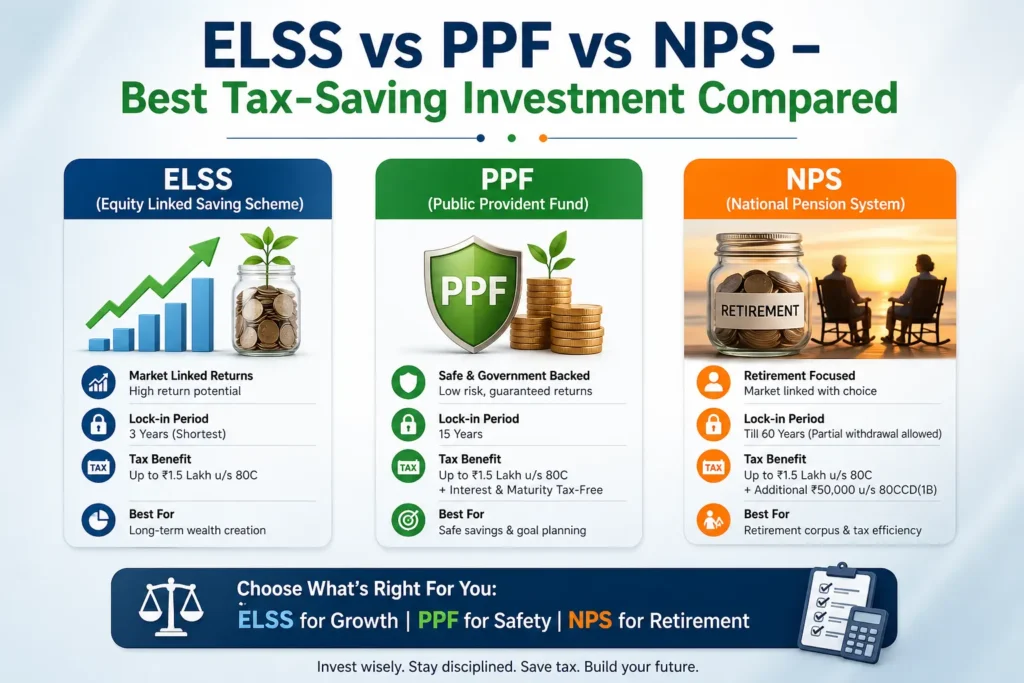
Saving tax and building wealth are not always the same goal, but the right instrument can do both. Section 80C of the Income Tax Act,
Direct vs Regular Mutual Funds – Which One Is Actually Better for You

Here’s a number that should make every mutual fund investor pay attention: the share of direct plans in India’s total mutual fund AUM has jumped
Best SIP Plans for ₹500/month in India 2026 – Beginner’s Guide

India’s investing story has changed dramatically. A decade ago, mutual funds were for people with surplus money and market knowledge. Today, ₹500 is all it
Car Loan EMI Calculator – Smart Tool for New & Used Car Loans

Buying a car in India does not just require getting the right model. For most buyers, it is also about choosing the right car loan.
Business Loans Using Aadhaar: The Smart Way to Finance Your Business

For many small business owners in India, arranging funds at the right time is still a daily struggle. A recent study highlights this clearly, showing
Switch Your Business Loan Easily: Expert Tips and Process Explained

In a major shift, the Reserve Bank of India has allowed banks to reduce certain non-credit-risk spread components earlier than the earlier three-year window for